
North London Extension Builders Turn Small Town Houses Into Family Legacies
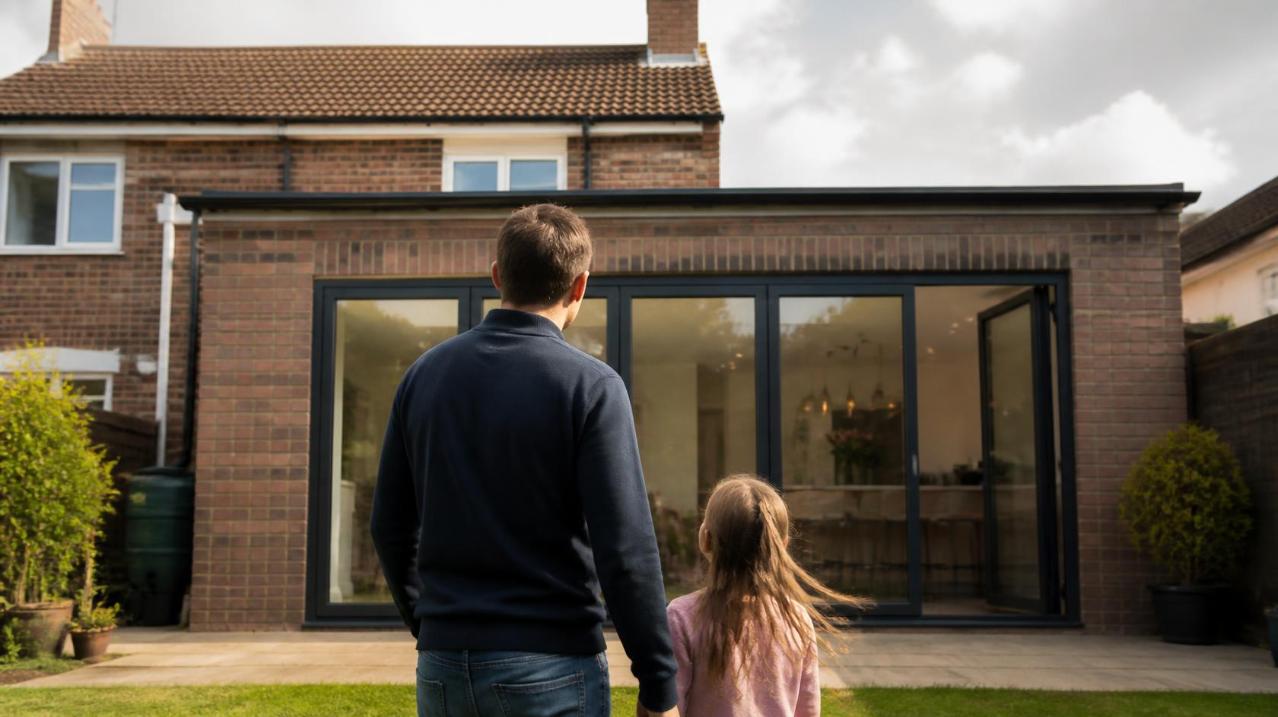
Small towns have a way of holding onto their people. Streets remain familiar for years, neighbours become part of everyday life, and some houses stay in the same family long enough to collect decades of memories.
But staying does not necessarily mean leaving a home untouched. In small towns around the capital, more families are finding ways to make their existing properties work for the next stage of family life.
North London extension builders are part of that change, helping homeowners add useful space without forcing them to leave the streets and communities they already know. For some families, the decision is as much about where they want to live as it is about how much room they need.
This is not simply a construction story. It is also about the practical and emotional reasons people choose to remain in one place. In smaller communities, housing options can be limited, while the cost and disruption of moving can make a familiar property increasingly valuable.
When a family has outgrown its home, adding space can sometimes be a more sensible answer than searching for another house.
Why Families Are Choosing To Stay Put
One of the strongest attractions of small-town life is the sense of familiarity it provides. Children may grow up close to grandparents, local shopkeepers know their customers by name, and schools and parks can be within an easy walk. Those everyday connections can carry considerable weight when a family is deciding whether to move or renovate.
An extension provides another option. A growing family does not necessarily have to give up its community because the kitchen has become cramped or there are no longer enough bedrooms. A rear extension, loft conversion or redesigned ground floor can provide the additional space while allowing the household to remain where it is.
There is a financial consideration, too. In some small towns, there simply are not many larger properties available at a reasonable price. When demand is strong, moving to a bigger house can involve more than the difference in sale prices. Estate agent fees, legal costs, taxes, moving expenses and the work required to settle into a new property can quickly add up.
For homeowners who already have a manageable mortgage or own their property outright, extending can therefore be an attractive alternative. It allows them to spend money on a house they already understand rather than taking on the uncertainty that comes with buying another one.
The Emotional Value Of Staying
Financial calculations only explain part of the decision. A house can become closely tied to a family’s history.
The dining room may be where birthdays were celebrated. A particular bedroom may have belonged to several siblings over the years. The garden may still contain a tree planted when the children were young. These details are difficult to put into a property valuation, but they can make the prospect of moving much less appealing.
For many families, extending the house is a way of preserving those memories while making room for new ones. A new bedroom might eventually become a teenager’s first private space. A larger kitchen can make it easier for everyone to sit down together for dinner. A previously unused part of the house might become a study, playroom or guest room.
The original building remains recognisable, but it becomes better suited to the people living in it.
That balance is important. A thoughtful extension does not have to make an older house feel as though its history has been stripped away. When the new work relates well to the existing property, the result can feel like a natural continuation rather than a completely different building.
Planning Permission And Practical Realities
Of course, extending a property is not as simple as deciding where to put an extra room. Small towns often contain older buildings and conservation areas, and planning restrictions can affect what homeowners are allowed to change.
Properties with historic features or those located in protected areas may face additional requirements. Depending on the size and nature of the project, homeowners may need to work within permitted development rules or submit a full planning application. Understanding the difference can save considerable time and prevent costly mistakes.
This is one reason local experience can be valuable. Builders who regularly work in a particular area are more likely to understand the practical expectations surrounding common projects. They may also have experience dealing with local planning departments and the types of issues that can cause applications to be delayed.
That does not guarantee approval, but it can make the process easier to navigate.
Building regulations are another consideration. Structural changes need to meet the relevant standards, while projects involving shared walls may require attention to party wall matters. Good communication with neighbours is particularly important in small communities, where people are likely to continue seeing one another long after the builders have left.
A poorly managed project can create tension that lasts much longer than the construction itself. Getting the technical and neighbourly details right is therefore part of making an extension successful.
A House That Can Adapt Over Time
The bigger change may be in how homeowners think about the role of a house.
For years, moving to a larger property has often been seen as the natural response to a growing family. But that approach does not suit everyone. A home can be modified as circumstances change, and the reason for an extension does not necessarily have to remain the same forever.
A loft conversion built for children could eventually become a home office. A rear extension designed around family meals could later provide space for visiting relatives. A downstairs room might one day make it easier for an older family member to stay nearby.
That flexibility gives an extension value beyond its original purpose. Instead of solving one immediate problem, the work can give a house more ways to serve the people living there.
It also fits with the way people experience small-town life. Much of community life is built around repeated routines: seeing the same faces on the school run, shopping at familiar stores, walking the same streets and meeting neighbours over the garden fence.
In that sense, how daily habit development strengthens the social fabric of small community life is closely connected to why some families place such a high value on staying in one location.
The house itself becomes part of those routines. It is where children return from school, where relatives gather for celebrations and where ordinary evenings become family memories.
What The Trend Could Mean For Small Towns
There is a wider community effect when families choose to remain in their homes for longer.
Long-term residents tend to have established connections with schools, local businesses, sports clubs, community organisations and neighbours. Keeping those relationships intact can contribute to the stability of a small town. It also means families can continue participating in local life rather than starting again somewhere unfamiliar.
This does not mean every family should extend its home, nor does it suggest that moving is the wrong choice. Sometimes a different property will genuinely be the better solution. But for homeowners who like their town and their neighbourhood yet have simply run out of space, an extension offers a way to change the house without changing everything else.
That may explain why the appeal of home extensions goes beyond additional square footage. They can be about making an existing property fit a changing family while preserving the parts of life that already work.
A small house can become a larger family home without losing the garden where children played, the kitchen where generations gathered or the street where neighbours have known one another for years. For families who value those connections, that continuity can be worth considerably more than the novelty of moving somewhere new.
In the end, extending a home is not only about adding rooms. It can be a practical decision, a financial one and, in many cases, a deeply personal choice to keep building a life in a place that already feels like home.